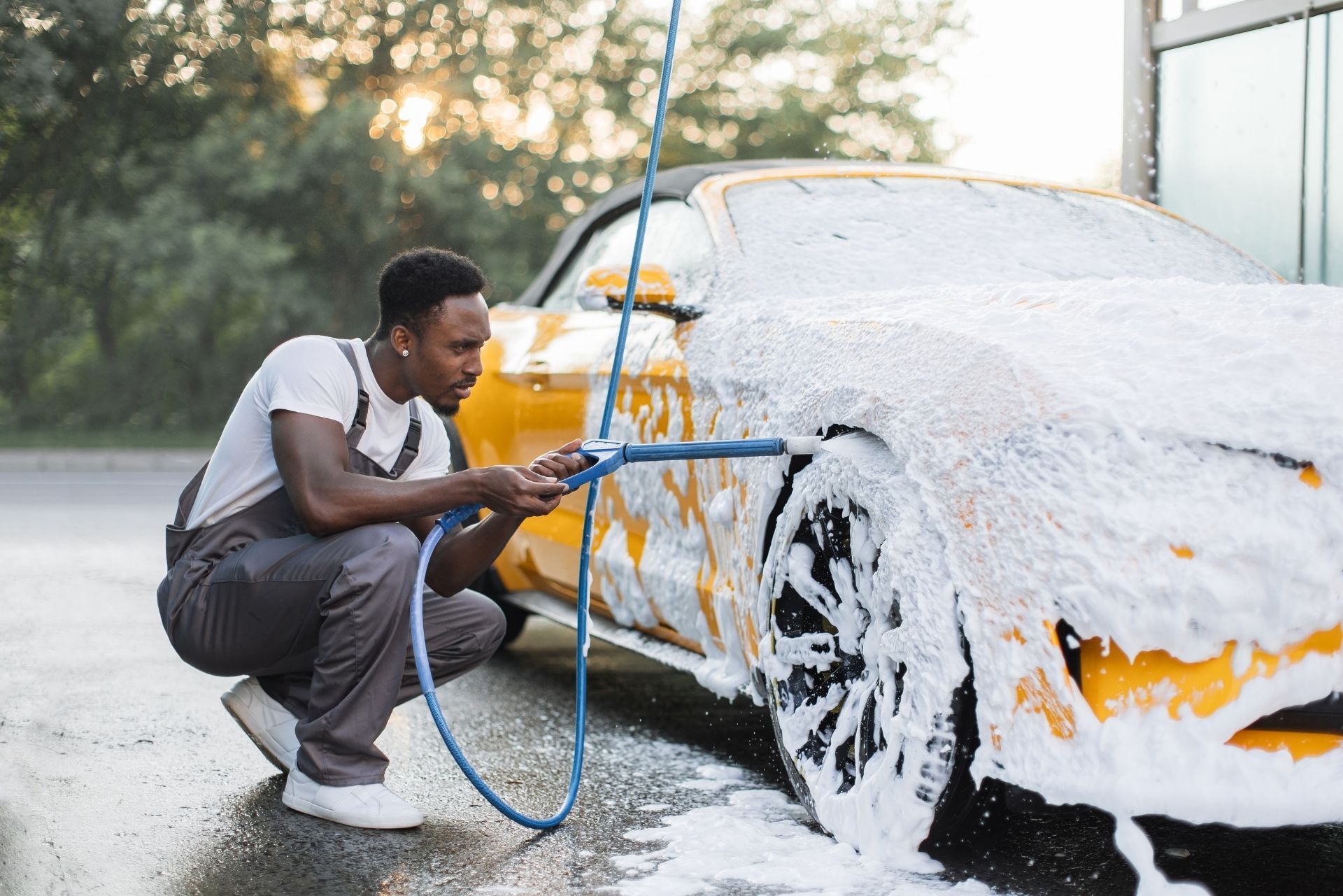
A=Running a car wash or detailing shop in Florida means dealing with risks that operators in other states rarely face. Between hurricane season, year-round humidity, strict environmental regulations, and the sheer volume of vehicles flowing through your bays, a single uninsured incident can shut your doors permanently. A customer's BMW gets scratched by your automated brushes? That's a claim. A tropical storm rips off your canopy? Another claim. Chemical runoff seeps into a storm drain near Biscayne Bay? Now you're looking at an EPA enforcement action on top of everything else.
Finding the right insurance for your car wash or detailing business in Florida isn't just a regulatory checkbox. It's the difference between recovering from a bad day and closing up shop. This guide breaks down the specific coverages you need, the Florida-specific risks that shape your policy, and practical strategies to keep premiums manageable while staying properly protected. Whether you're running a full-service tunnel wash off US-1 or a mobile detailing rig serving clients in Brickell, the stakes are too high to guess your way through coverage decisions.
Essential Insurance Coverage for Florida Car Wash Owners
Florida's car wash industry generates significant revenue, but the liability exposure is just as significant. The right coverage package starts with understanding which policies are non-negotiable and which fill critical gaps that general policies miss.
General Liability and Garagekeepers Legal Liability
General liability protects your business when a customer slips on a wet floor or trips over a vacuum hose. Most policies cover bodily injury and property damage claims, with typical limits starting at $1 million per occurrence and $2 million aggregate. But here's where operators get caught : general liability alone won't cover damage to vehicles in your care.
That's where garagekeepers legal liability comes in. This policy specifically covers customer vehicles while they're on your premises or in your possession. If your conveyor system cracks a windshield, your employee backs a car into a pole, or hail damages vehicles parked in your lot, garagekeepers coverage pays for the repair. Without it, you're paying out of pocket for every scratched bumper and broken mirror.
A common mistake is assuming your general liability policy includes garagekeepers protection. It doesn't. These are separate coverages, and skipping garagekeepers is one of the fastest ways to drain your bank account through small but steady claims.
Commercial Property and Equipment Breakdown Insurance
Your building, signage, water reclamation systems, and wash equipment represent a massive investment. Commercial property insurance covers damage from fire, theft, vandalism, and certain weather events. For a mid-size tunnel wash, equipment replacement costs alone can exceed $500,000.
Equipment breakdown insurance fills a gap that standard property policies leave open. When your high-pressure pump fails, your water softener system burns out, or your conveyor motor seizes, equipment breakdown coverage pays for repairs and often covers lost income during downtime. Florida's heat and humidity accelerate wear on mechanical systems, making this coverage particularly relevant for operators here.
Workers' Compensation Requirements in Florida
Florida law requires workers' compensation coverage for any business with four or more employees. Car washes and detailing shops deal with wet surfaces, chemical exposure, and repetitive motion injuries daily, so claims are common.
Average workers' comp premiums in Florida run between $1.50 and $3.00 per $100 of payroll for car wash classification codes, though your experience modification rate can push that higher or lower. One thing to keep in mind : even if you have fewer than four employees, carrying workers' comp voluntarily can protect you from personal injury lawsuits filed by injured staff.

By: Montreal Morand
Founder & Managing Partner
Macpherson Insurance Agency
Addressing Florida-Specific Environmental and Weather Risks
Operating in Florida means your insurance needs extend well beyond what a car wash in Ohio or Colorado would require. The state's unique combination of weather patterns, flood zones, and environmental regulations creates exposure that standard policies simply don't address.
Hurricane and Windstorm Damage Protection
Standard commercial property policies in Florida typically exclude windstorm damage, especially in coastal counties. You'll need a separate windstorm policy or a named-storm endorsement. Deductibles for hurricane coverage are usually percentage-based, often 2% to 5% of your total insured value, rather than a flat dollar amount.
A car wash with $800,000 in insured property and a 3% hurricane deductible would pay $24,000 out of pocket before coverage kicks in. Operators in Monroe, Miami-Dade, and Broward counties face the highest windstorm premiums, sometimes 30% to 50% more than inland locations like Ocala or The Villages.
Flood Insurance and Water Reclamation Risks
Most commercial property policies exclude flood damage entirely. If your car wash sits in a FEMA-designated flood zone, you'll need a separate flood policy through the National Flood Insurance Program or a private carrier. Even if you're outside a high-risk zone, Florida's flat terrain and heavy summer rains make flood coverage a smart investment.
Water reclamation systems add another layer of risk. A system failure during heavy rains can cause contaminated water to overflow into nearby drainage systems. Your flood policy won't cover the resulting environmental cleanup. That requires pollution liability, which brings us to the next critical coverage.
Pollution Liability for Chemical Runoff and Disposal
Car washes and detailing shops use degreasers, acid-based wheel cleaners, solvent-based tire dressings, and other chemicals regulated by the Florida Department of Environmental Protection. If these chemicals enter storm drains, groundwater, or nearby waterways, you're facing cleanup costs that can easily reach six figures.
Pollution liability insurance covers cleanup expenses, third-party bodily injury from contamination, and legal defense costs. This is especially critical for operations near the Everglades, coastal waterways, or municipal water sources. Standard general liability policies almost always exclude pollution events, so this is a separate policy you can't afford to skip.
Specialized Policies for Mobile Detailing Businesses
Mobile detailing operations face a different risk profile than fixed-location car washes. Your "shop" travels to the customer, which means your insurance needs to travel with it.
Commercial Auto Insurance for Mobile Units
Your personal auto policy won't cover vehicles used for business purposes. If your detailing van is involved in an accident while driving to a client's home in Tampa, your personal insurer will deny the claim. Commercial auto insurance covers liability, collision, and comprehensive damage for vehicles used in your business operations.
For mobile detailing rigs carrying water tanks, generators, and chemical storage, you'll want coverage limits of at least $1 million. Florida is a no-fault auto insurance state, so you'll also need personal injury protection at minimum $10,000, though higher limits are strongly recommended given medical costs in the state.
Inland Marine Coverage for Portable Equipment
Inland marine insurance covers tools and equipment that move between locations. Your pressure washer, polisher, steam cleaner, extractor, and chemical inventory aren't covered by commercial property insurance once they leave your home base.
A typical mobile detailing setup carries $15,000 to $40,000 in portable equipment. If your trailer is stolen from a client's driveway in Jacksonville or your pressure washer falls off the truck on I-95, inland marine coverage pays for replacement. The premiums are relatively low, usually $300 to $800 annually, making this one of the best-value policies for mobile operators.
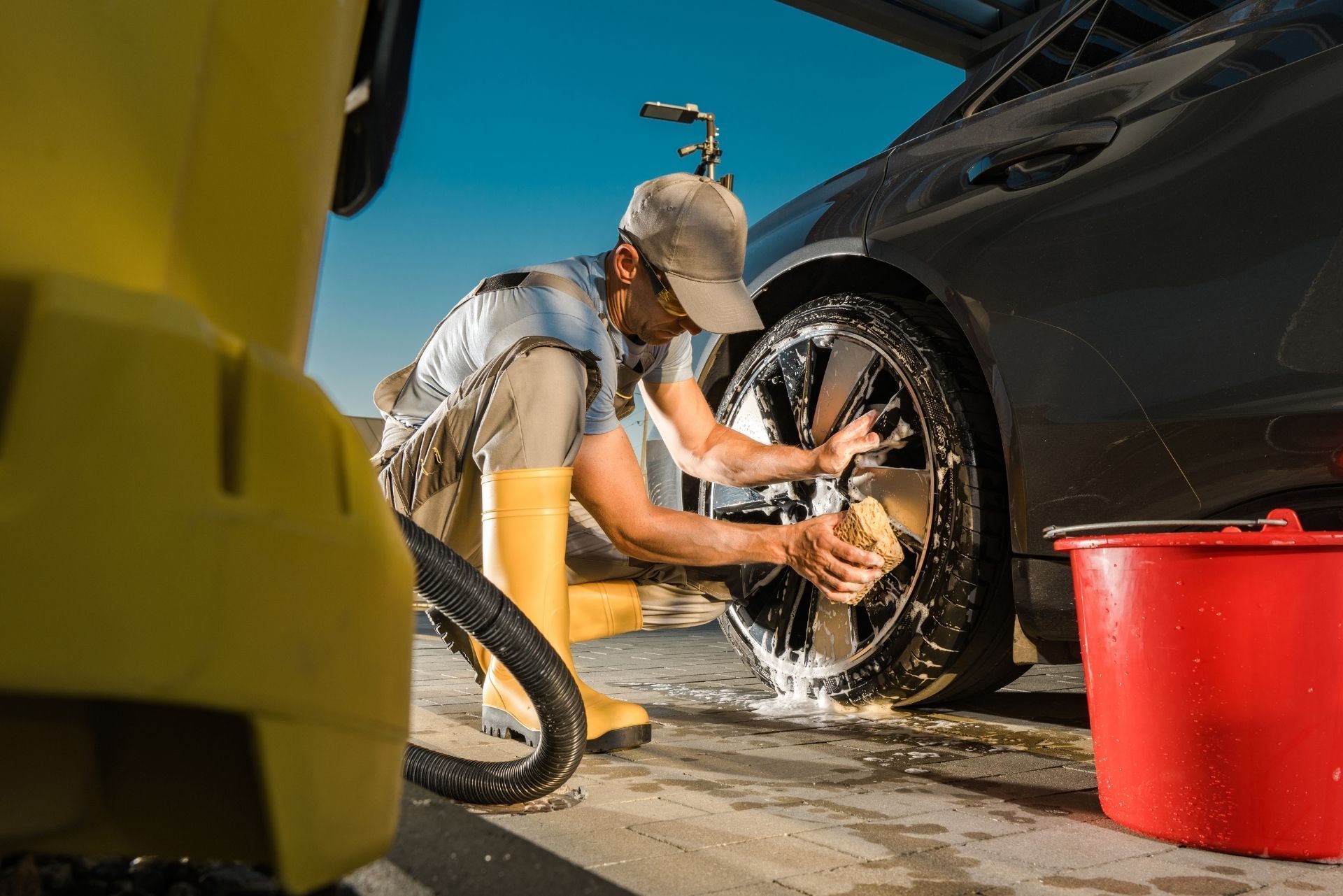
Understanding what drives your premium helps you make smarter decisions about coverage and cost management. Florida's insurance market has its own dynamics that directly affect what you'll pay.
Impact of Service Volume and Business Location
Insurers look at how many vehicles you service daily, your annual revenue, and your ZIP code. A high-volume express wash processing 300 cars per day in Fort Lauderdale will pay substantially more than a two-bay self-serve wash in Gainesville.
| Factor | Lower Premium | Higher Premium |
|---|---|---|
| Location | Inland, low flood risk | Coastal, high flood zone |
| Volume | Under 100 vehicles/day | Over 300 vehicles/day |
| Services | Exterior wash only | Full detail with paint correction |
| Building Age | Built after 2002 (new code) | Pre-2002 construction |
| Revenue | Under $500K annually | Over $1.5M annually |
Florida's 2023 tort reform legislation (HB 837) has started reducing some liability premiums, with some carriers reporting 10% to 15% decreases for commercial policies. That said, property and windstorm rates continue climbing in coastal areas.
Claims History and Safety Protocol Discounts
Your claims history over the past three to five years is the single biggest factor in your premium. Two or more garagekeepers claims in a year can trigger a 20% to 40% rate increase at renewal.
Insurers reward documented safety programs. Installing security cameras, implementing written vehicle inspection protocols, maintaining OSHA-compliant chemical storage, and conducting regular employee training can qualify you for discounts ranging from 5% to 15%. Some carriers also offer lower rates for ICA (International Carwash Association) members who follow industry best practices.
Risk Management and Liability Mitigation Strategies
The cheapest insurance claim is the one that never happens. Proactive risk management reduces your exposure and keeps your premiums from spiraling.
Implementing Pre-Wash Vehicle Inspections
A quick walk-around inspection before every wash protects you from fraudulent claims and documents pre-existing damage. Train your staff to note scratches, dents, cracked windshields, and loose trim on a digital checklist before the vehicle enters your wash process.
Some operators use tablet-based inspection apps that timestamp photos automatically. When a customer claims your tunnel wash caused a scratch that was already there, you've got dated photo evidence. This single practice eliminates a significant percentage of garagekeepers claims and gives your insurer a strong defense against fraudulent demands.
Safety Training for Handling Specialized Chemicals
Chemical burns, eye injuries, and respiratory issues are among the most common workers' comp claims in the car wash and detailing industry. Every employee should receive documented training on SDS (Safety Data Sheet) protocols, proper PPE usage, and emergency response procedures for chemical spills.
Florida's DEP also requires specific handling and disposal procedures for wash chemicals. Violations can result in fines starting at $10,000 per day. Keeping your training records current and your chemical storage compliant reduces both your regulatory risk and your insurance costs.
Securing the Right Policy for Your Florida Operation
Getting proper insurance coverage for a Florida car wash or detailing business requires more than picking the cheapest quote online. Work with a broker who specializes in auto service or car wash industry accounts. They'll understand the difference between a garagekeepers policy that covers "direct primary" versus "excess" basis, and that distinction matters enormously when a claim hits.
Start by auditing your current policies against the coverages outlined in this guide. Check for windstorm exclusions, pollution exclusions, and equipment breakdown gaps. Request certificates of insurance from any subcontractors you use, and verify their coverage is current.
The right combination of policies protects your investment, keeps you compliant with Florida regulations, and lets you focus on growing your business instead of worrying about the next storm or the next scratched fender. Talk to a specialized insurance advisor today to review your current coverage and close any gaps before they cost you.
Frequently Asked Questions
How much does car wash insurance cost in Florida per month? Most Florida car wash operators pay between $500 and $2,500 per month depending on location, services offered, and claims history. Coastal operations and high-volume tunnel washes typically fall on the higher end.
Do I need separate flood insurance for my car wash? Yes. Standard commercial property policies exclude flood damage. If you're in a FEMA flood zone, your lender will require it, but even outside high-risk zones, Florida's rain patterns make it a wise purchase.
Is garagekeepers insurance the same as garage liability? No. Garagekeepers covers damage to customer vehicles in your care. Garage liability covers your business operations more broadly, similar to general liability but designed for auto service businesses.
Does my mobile detailing business need commercial auto insurance? Yes. Personal auto policies exclude business use. If you're driving to clients with equipment in your vehicle, you need a commercial auto policy to be covered in an accident.
Will Florida's tort reform lower my car wash insurance premiums?
HB 837 has begun reducing liability premiums for some commercial policies by 10% to 15%. Property and windstorm rates, however, are a separate issue and continue to rise in many coastal areas.
ABOUT THE AUTHOR:
MONTREAL MORAND
With over 20 years of leadership experience in the insurance industry, I’ve dedicated my career to helping clients and agents make informed, confident decisions about their coverage. I’ve led high-performing teams, managed more than $128 million in premium, and earned multiple national awards for excellence. Today, my mission remains the same — to educate, empower, and provide dependable protection for the communities we serve.
Contact Us
Protect the Things That Matter Most
Reliable Coverage for Your Home & Lifestyle
Home Insurance
Protect your home, belongings, and personal liability with reliable coverage.
Stronger Coverage for Your Operations
Essential Protection for Your Company
Coverage built for businesses that depend on people, property, and equipment.
Industries We Support
Insurance for Everyday Local Businesses
Simple, reliable protection for the people who keep our communities running.
Plumbers
Plumbers Insurance
Protection for job-site hazards, tools, and customer property.
Restaurants
Restaurants Insurance
Coverage for fire risks, food inventory, and general liability.
HVAC Contractors
HVAC Contractors Insurance
Insurance for service vehicles, equipment, and installation risks.




Frequently Asked Questions
Helpful Answers to Common Questions
Quick guidance to help you understand your coverage.
What types of insurance does Macpherson Insurance Agency offer?
We provide both personal and commercial insurance solutions. On the personal side: homeowners, automobile, condo, renters, windstorm, flood, excess flood, and more. On the commercial side: general liability, property, inland marine, ocean marine, workers compensation, and more.
Do you specialize in homeowners insurance in South Florida?
Yes. We specialize in homeowners coverage in South Florida and work with multiple carriers based on your property’s age, location and replacement cost.
What does “replacement cost” mean in a policy?
Replacement cost is the cost to rebuild your home to the same standard it had before a loss — not the market value of your property.
Why is it important that my insurer is licensed in Florida?
Licensed Florida insurers are continuously monitored for financial stability — if one fails, the Florida Insurance Guaranty Fund may reimburse insureds for unpaid claims up to a limit.
Can I lower my homeowners premium with discounts?
Yes — mitigation features like impact glass, storm shutters, roof straps, and approved sheathing may qualify you for significant credit reductions.
Do you offer payment plans or premium financing?
Yes. In many cases, payment plans and premium financing are available to make coverage more affordable and manageable over time.
From the Blog
Helpful Tips & Insurance Guidance
Articles created to make insurance easier to understand.



Contact Us
Phone
Location